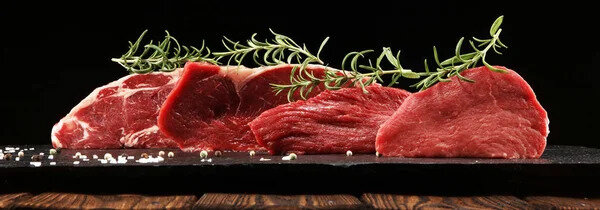
Did you know that red meat, often considered harmful to health, also contains many minerals and vitamins? You just need to know how and in what quantity to consume it to avoid risks. Red meat is often, and wrongly, demonized because it is believed to raise cholesterol levels, increase the risk of cancerous diseases, and increase mortality rates from cardiovascular diseases. In reality, it all depends on what types of meat and how red meat is consumed, how it is cooked. Red meat refers to beef, lamb, mutton, and veal. By consuming lean cuts of meat two or three times a week, health risks are greatly reduced and you get a good supply of beneficial elements for the body. Yes, because red meat is a mine of minerals and vitamins that are very important for the functions of our body. It actually provides good amounts of potassium, calcium, and iron. Vitamin A is essential for the health of the eyes, skin, bones, and to strengthen the immune system. B group vitamins, to promote energy production, vitamins D, K, chromium, copper, folic acid, magnesium, selenium, and n-3 fatty acids. 85g of beef provides 240 calories. 19.7g of fat, 14.5g of protein, 57.8mg of sodium. It has no carbohydrates. If you remove the visible fat, the fat content is greatly reduced. It should be grilled, although you should be careful with burnt parts, which increase the risk of developing cancer. It seems that the omega 3s contained in red meat keep anxiety disorders and depression at bay, and moreover, stearic and oleic acid seem to help reduce cholesterol, although this is counteracted by the presence of myristic acid, which increases it. In conclusion, feel free to eat red meat 2 or 3 times a week at most, 100/120g per serving, it can only do you good, but remember to remove the visible fat, choose lean cuts, and cook red meat without adding other fats, perhaps in a non-stick pan. Source: Wellness Performance The properties of red meat and how to consume it correctly in a healthy diet
Copyright©2022 Andriani srl p.i. 03188410736
Health and Nutrition
Health and Nutrition
2023-04-10 09:39
2023-04-10 09:39
Array() no author 91973
carne-rossa-dieta-sana-ferro-vitamine,
Copyright©2022 Andriani srl p.i. 03188410736